



10 Brand Guidelines Examples That Set the Standard in 2026
Blog, Industry Insights and Expert Opinions
Brand guidelines examples are no longer just inspiration, they are strategic systems that help businesses stay consistent, scale globally, and build trust in 2026. Modern businesses rely on brand identity guidelines to ensure consistent communication, visual alignment, and scalable brand execution across global markets. I’ll feature ten effective brand guidelines examples in this blog article and discuss why they perform so well. You will see how leading brands organise their brand guidelines.
Brand standards have changed a lot. They are no longer just a static PDF but dynamic systems that help manage communication, design and business growth worldwide. Brand guidelines are regulating tools for protecting brand equity rather than creative materials for CEOs, CMOs, and CSOs.
Businesses who invest in brand standards exceed their competitors in terms of recognition, trust, and consistency for all types of brand identification rules and visual identity guidelines. This blog explores the most impactful brand guidelines examples used by global companies and explains why they set the standard in 2026.
MasterRV Designers, an Indian presentation design and analytics company, was founded in 2020. It specialises in transforming complex commercial ideas into visually striking and powerful presentations.
It offers services like presentation services, analytics services and data service. It offers management consulting services, industry intelligence, and financial modelling. The creation of infographics, pitch decks, business presentations, and investor presentations are its main areas of strength. It helps people make better decisions and tell their ideas clearly.
Rohini Dabholkar, the company’s CEO, has over 10 years of experience in presentation design, branding, and animation.
MasterRV Designers, which holds ISO 9001:2015 accreditation, has finished thousands of projects with excellent quality, scalability, and consistency for audiences around the world. MasterRV Designers follow a customised pricing model based on project scope, complexity, and delivery requirements.
It has a fast turnaround time, a simple design, and a strategy-driven approach. As a result, the business gives its customers the opportunity to express their opinions through powerful images.
In 2026, Brand guidelines are more important tools to keep brands consistent in today’s complex digital work. Due to a more intricate environment where businesses are represented on numerous levels, even small differences in how a brand is presented could have an impact on brand recognition and trust. Modern brand guidelines examples show how companies are evolving from static documents into scalable systems.
Brand identity guidelines are a crucial control tool that leadership should use to control and manage their brand properly. Through uniform visual standards (such as logo requirements and brand colours) and tonal guidelines, they will provide control over internal teams as well as external partners and communication channels globally.
When it comes to consumer impression, brand recognition, and profitability, brand consistency is essential. Maintaining a consistent brand identity with the use of standards becomes increasingly crucial as more agencies begin creating their content utilising AI-generated materials. Because of these changes brand standards are more than just written documents.
Create a Consistent Brand That Scales in 2026
Create organised brand identity guidelines and strong, scalable brand guidelines examples to guarantee long-term growth, consistency, and trust across all touchpoints.
These brand guidelines examples demonstrate how leading brands maintain consistency across global markets.
TikTok brand standards work very well because they support very fast content creation and use driven by creativity. TikTok employs frameworks for movement, audio, and original storytelling rather than strict rules, ensuring consistency regardless of global scale.
Why it works: It helps to create a large amount of content while keeping the brand consistent.
For Dropbox, branding is more than just logos and visual identities; it also includes how goods and services function in the ecosystem and how well they communicate. Dropbox’s brand rules cover every facet of communications, interface design, and visual identity.
Why it works:It guarantees a coherent ecosystem where excellent usability and branding are synonymous.
Netflix has very stringent brand guidelines. especially when discussing collaborative initiatives, the use of the emblem, and the design of the materials. Regardless of the nation or medium, the principles assist maintain a consistent quality look and feel.
Why it works: Strict governance contributes to the preservation of brand value.
MailChimp’s rules place a strong emphasis on tone and personality. It is possible to guarantee that all communications are human, amiable, and consistent with the brand’s identity by defining the brand’s communication in a variety of contexts.
Why it works:More than just a brand’s visual identity, a consistent voice fosters an emotional connection between consumers and the company.
Spotify’s policies were designed to be flexible in a constantly changing digital environment. Although design and layout are open to customisation, basic elements like colour scheme, typeface, and composition provide consistency.
Why it works:It permits artistic expression without sacrificing brand awareness.
Google’s systems thinking has a significant impact on its brand standards. The rules revolve around the brand’s material design philosophy.
Why it works: It offers a scalable design solution that preserves usability and consistency.
The Uber brand system’s rules take a modular approach. To put it another way, it is possible to rearrange any component of this brand system without compromising brand identity.
Why it works: Uber is scalable and flexible due to the guidelines’ modular design.
One company that works hard to maintain visual consistency in its brand guidelines is Instagram. There are very tight rules regarding layouts, colours, gradients, and typography.
Why it works: A recognisable and cohesive brand identity is produced by the consistent images.
Airbnb is a corporation that places a lot of emphasis on developing brand guidelines based on stories and communities. As a result, the standards bring together two facets of branding: communication and visual identity.
Why it works: This brand strikes the ideal mix between the emotional and visual components of brand identification.
This organization is renowned for having comprehensive brand rules created specifically for large corporations. They contain certain guidelines for layout, colours, and typography.
Why it works: Using such recommendations makes it simple for large corporations to maintain a consistent corporate identity.
For more information about brand guidelines examples, look into effective techniques employed by major global brands today.
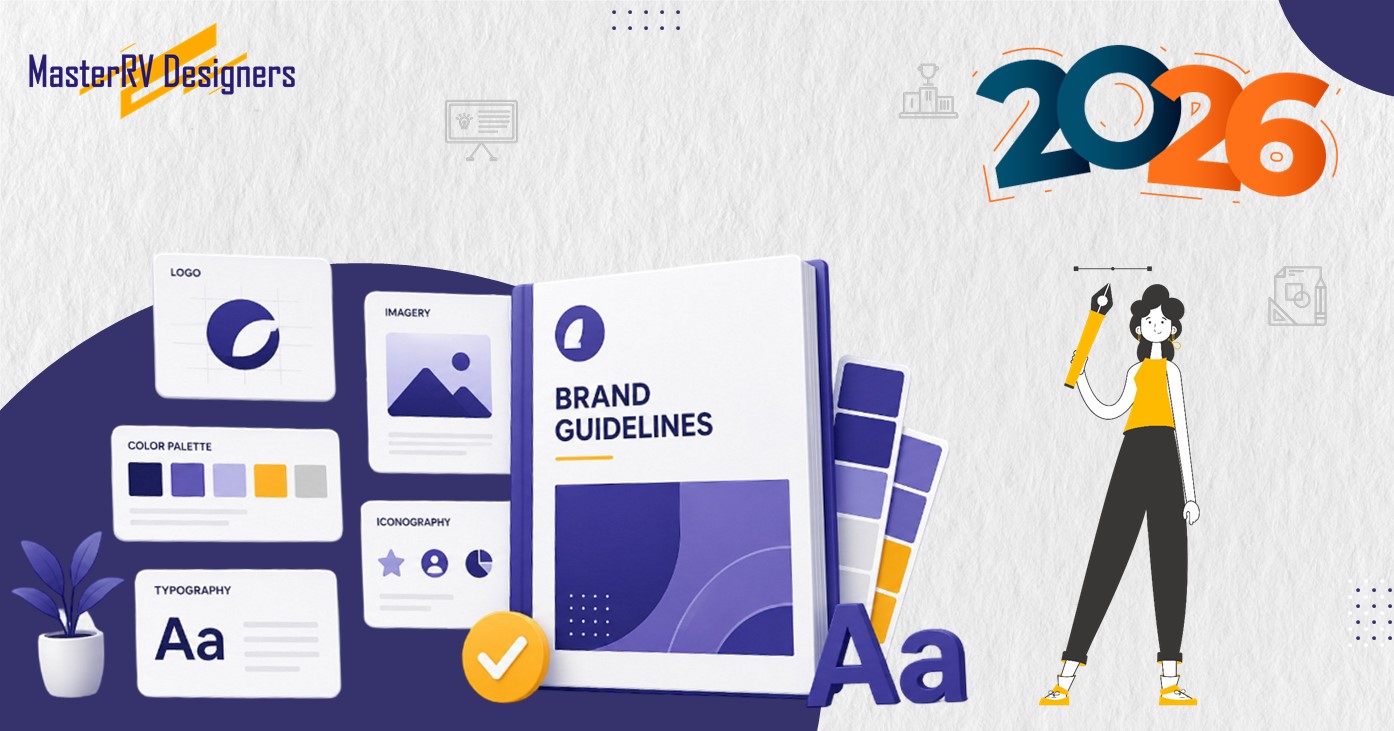
Brand identification standards are comprehensive frameworks that specify how a brand should be presented at every point of interaction. The brand’s strategic direction and visual identity components are included in the guidelines. Essentially, brand identity principles guarantee that brand equity is developed in all brand interactions. Strong brand identity guidelines act as the foundation for maintaining visual and verbal consistency across all brand touchpoints.
Establish a thorough foundation for the brand that encompasses its positioning, value, mission, and vision. Making decisions that are pertinent to the development and marketing of the brand will be guided by a well defined brand foundation.
Determine and establish the essential visual elements of the brand, such as the guidelines for the logo, the branding of the colour palette, the branding of the typography, the style of the photography, and other components required to create the visual identity. The features that enable simple scalability and consistency across various digital, print, and other platforms should be included in the recommendations.
This process entails figuring out how different people interact with the brand and how it communicates. Choose a tone of voice that captures the essence of the brand and helps consumers relate to its message.
Find out how the branding components are applied in different situations. Among other crucial details, including alignment, spacing, improper usage, and layout systems. The communication of the brands will be consistent thanks to this move.
Every component required for a successful brand should be included in the finished product. An established document will be practical and simple to utilise. Anytime someone needs to know the brand rules, it should be available.
Internal team members and external stakeholders might be trained to comprehend the guidelines and the significance of adhering to them. Everyone can utilise the brand guideline with ease and effectiveness thanks to the training.
As the market shifts, brands should also, thus the guidelines must also adapt. As the brand adapts to shifts in consumer behaviour and technology, it will be able to expand.
Explore Strategic Branding Solutions with Brand Identity Guidelines
Learn how MasterRV Designers turn communication, branding, and presentations into effective business tools with impact and clarity.
An organization’s guidelines for logo usage serve as a foundation to guarantee that their mark is used correctly and consistently across all media. By guaranteeing clarity, proportion, and recognition, these principles guarantee that the brand’s visual identity is protected whether the logo is used digitally, on paper, or in any other setting.
The logo definition provides a thorough explanation of the logo’s meaning and purpose. This makes it possible for users to comprehend the importance and applicability of the logo.
You will define every variation of the logo in detail in this section. To provide flexibility without compromising consistency, this entails specifying which modifications can be applied in particular situations.
Indicate the logo’s colour scheme, particularly if it uses many colours. For digital media, you can use hexadecimal colour codes; for print media, you can use Cyan Magenta Yellow Key (CMYK). You might also want to specify when the logo should be used as a background and other variations, such as the inverted version.
You might want to provide details about the typeface used, including font type, weight, spacing, and justification, if the logo contains letters.
Make careful to provide the smallest size at which the logo may be read and scaled without losing its shape. In order to preserve consistency, it also describes the proportions.
Specify how much space is needed between the logo’s edges. This makes it less likely that the logo will appear crowded in any situation.
Indicate where the logo should appear in a variety of contexts, including social media accounts, websites, presentations, and ads.
Provide a thorough list of dos and don’ts that outlines acceptable and unacceptable changes. To make it simpler for consumers to apply, you could also want to include examples.
Establish guidelines for the placement of the logo next to other brands’ logos when co-branding or co-marketing with other businesses.
Give partners, suppliers, and other parties who require access to the logo for their goods and marketing materials instructions.
Creating a future ready brand guide is more than just making a simple document or brochure. It entails developing an ever-improving structure that ensures your brand remains scalable, relevant, and consistent even as circumstances change. teams build stronger and more consistent brand systems. When creating a brand guide, keep the following things in mind:
Examining all current brand assets, including logo designs, typography, messaging, and images, is part of this process. Finding any inconsistent, out-of-date materials, and other problems is the goal. This stage provides you with a better understanding of your present brand’s position and acts as a benchmark.
Involving different departments in creating a brand guide makes it more effective. To guarantee that the finished product is in line with corporate goals and conforms with pertinent legislation, the marketing, leadership, product, and legal teams should be involved in this process.
You should use online tools and resources to create your brand guidelines once you have all the information you need. You can use digital software solutions and pre-made templates in this situation. You should concentrate on making the paper easy to read, comprehend, and implement.
Once the draft is ready you can test the brand guide across the company. You should test its use and solicit feedback from staff members regarding its utility and suitability for their work procedures.
Distributing the completed paper to all parties involved is the next stage. Ensure that staff members are able to put the guide into practice. Additionally, provide external vendors with clear guidelines on how to adhere to your brand requirements in various forms of partnerships.
You should check how well the brand guide is working using available metrics. Keep an eye on how well you’ve been able to establish consistency and increase brand awareness among your target markets. Increased revenue demonstrates the advantages of sponsored content.
A brand guide should evolve in tandem with market and technological changes in order to be future-proof. This will support the guide’s continued relevance and efficacy in attaining brand representation consistency.
A good brand guide is a strategic structure that helps organisations coordinate, protect their brand equity, and scale effectively. This extends beyond being a basic informational document.
Swaney group is the great example of how brand guidelines help a company stay consistent and organised across different areas of work. Professionalism and coherence in print, web, and corporate communications are key components of Swaney’s branding strategy as an established company. This brand’s visual identities include colour branding, typographic rules, and logo guidelines.
Swaney Group can serve as an excellent illustration of how business concepts can be incorporated into contemporary brand standards that incorporate all essential branding components to establish a powerful identity.
Swaney Group shows leaders why visual identity rules and brand systems are important for keeping the brand consistent. Studying these brand guidelines examples helps leadership teams build stronger and more consistent brand systems.
As an organization’s leader, you might utilise your own brand guidelines as a model for your own. Businesses who use good brand standards will have an advantage over their rivals in the highly competitive business sector.
The goal is always to build a brand that is consistent, recognisable, and trustworthy. An organization without brand rules won’t exist in 2026. The real question is how well you are able to create your own brand guidelines. Ultimately, the best brand guidelines examples prove that consistency is the foundation of modern brand success.
Are You Prepared to Strengthen Your Brand Identity?
Get in touch with MasterRV Designers to create brand systems that are high-impact, scalable, and consistent for your company’s expansion.
These are clear guidelines that specify how your brand should be displayed across all platforms. They include guidelines for the logo, colour scheme, typography, tone of voice, and more. They are composed of both text and images.
The biggest benefits are stronger market position, better brand value and steady growth. It also keeps everything consistent which builds trust and improves brand recognition.
The document should include rules for logo use , colour, font, tone of voice and visual style. Along with how to use them in different situations.
Even fast-changing organisations typically update their rules once a year or less regularly, depending on the nature of your business, how it has evolved, general market conditions, and changes in communication mediums.
Market and brand teams usually handle it but other teams and partners must work together for best results.

October 19, 2026

October 11, 2026

September 30, 2026
